Putting a password on a sensitive quote or contract review document does not complete the job. If the document and password travel in the same email, the same password is reused across recipients for too long, or nobody knows who still has the information after the owner changes, the password becomes little more than an extra message.
A password is a secret needed to open a document. It is not a complete access policy that defines who may open it, for how long, or for what purpose. Before sharing, define the recipients, delivery paths, validity period, reissue process, and closeout procedure together.
Break “protect the document” into specific rules
The phrase “this document requires security” can lead each owner to act differently. In practice, you need to define who may receive the document, how far it may be forwarded, how long the review lasts, who is responsible when recipients change, and who closes access at the end.
These rules do not promise encryption or legal protection. If your organization’s security policy or contract terms apply, the relevant specialists should review them separately. The password rules in this article are also an organizational sharing workflow, not a description of a specific product feature.
Separate the document and password delivery paths
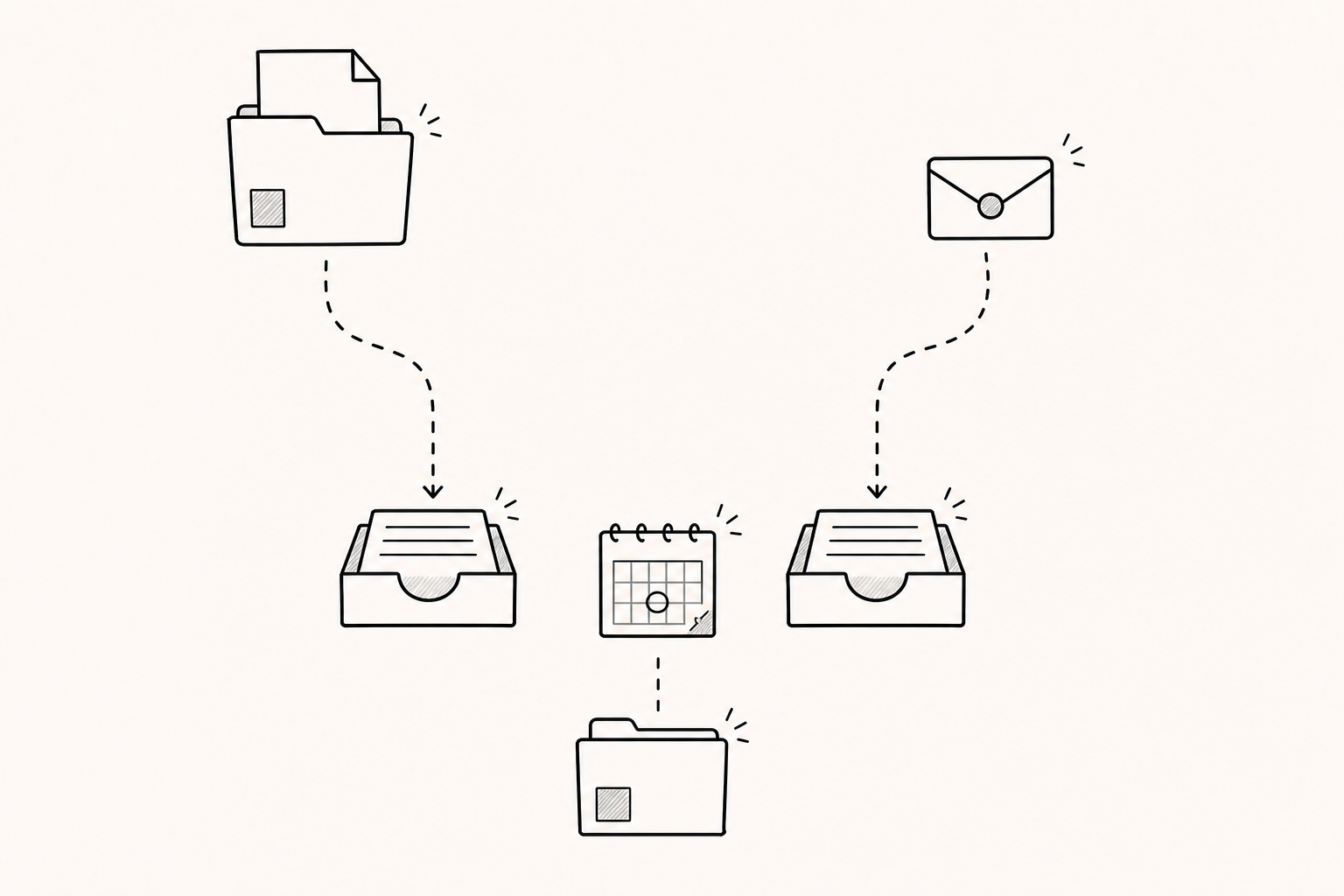
When a document link and its password appear in the same message, anyone who receives a forwarded copy gets both pieces of information. One option is to send the document through the normal work channel and provide the password through a separately verified channel.
Using separate channels does not guarantee safety. You still need to define which channels are allowed, who verifies the recipient, and where delivery completion is recorded. If the process depends only on personal notes or chat search, the next owner will struggle to reproduce the same standard.
Track recipients and the validity period in one record
For a password-sharing record, the access context is more useful than the document name alone.
Document owner / approved recipient scope / sharing purpose / document delivery channel / password delivery channel / validity period / reissue status / closeout status
If the review has a fixed schedule, align the document’s viewing period with it. The relevant verified control in FeatPaper is the ability to set a viewing period. It manages the period during which the document can be opened; it does not mean that FeatPaper provides password protection or guarantees confidentiality or prevention of unauthorized forwarding.
Define reissue conditions instead of relying on reuse
Reusing one password is convenient, but it makes recipient changes and closeout points harder to distinguish. Rather than inventing a complex rule for every document, first define when an existing password must no longer be used.
When the recipient scope changes, an owner is replaced, the review period ends, or a password is sent through the wrong channel, consider issuing a new password or ending the share according to organizational policy. The important part is not merely creating a new value. It is notifying people that the old information is no longer valid and recording that decision.
Respond in a consistent order when information is misdirected
If you learn that a password reached an unauthorized person or channel, first stop using the same value for additional sharing. The document owner and security owner should confirm the actual recipient scope, sharing status, and validity period, then issue new information if policy allows.
Do not record only that the password “was changed.” Record what was exposed, which scope was checked, what action was taken, and which copies or messages still cannot be retrieved. Any required reporting or notification should follow organizational policy and the judgment of the responsible specialists, separately from the technical response.
Prepare a recovery path for failed access
Documents that need access controls are also documents that can easily hold up work. Define whom recipients should contact if they lose the password, how their identity and recipient scope will be confirmed again, and where the reissue history will be recorded.
An improvised reply that includes the password in the same email can undermine the rule of separate delivery paths. The goal is not simply fast recovery, but a verification process that can be repeated consistently.
Close responsibility, not just delete a password
When the review ends, the owner should confirm the recipients and closeout date, adjust the viewing period if needed, and follow the organization’s sharing closeout procedure. If follow-up material is required, share it again with a newly defined purpose and scope. Do not assume that downloaded copies or forwarded information will disappear automatically.
The quality of password-protected document sharing is not determined by how complicated the password is. The process becomes consistent only when you can explain who may access the document, for what purpose and until when, how recovery works when something goes wrong, and who closes responsibility at the end.