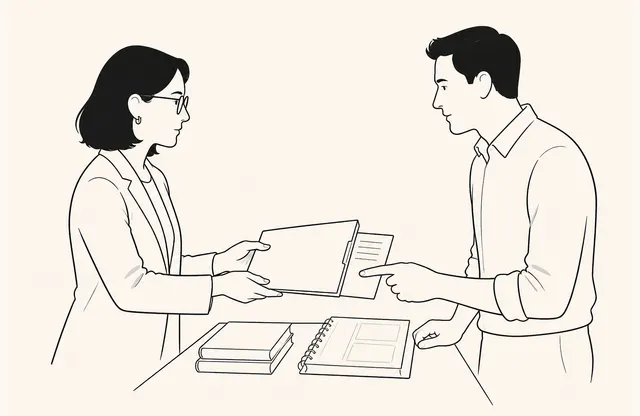
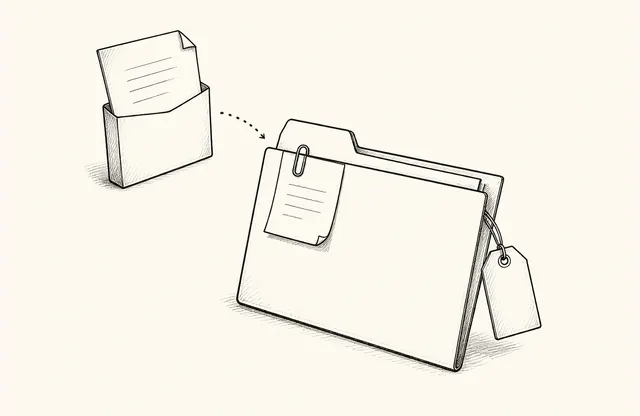
Run partner assets from one current reference only after assigning an owner, an update cadence, distribution channels, and a retirement rule. The link is a delivery mechanism; those operating decisions make it trustworthy.
What should the asset owner maintain?
List the materials covered by the reference: product sheets, campaign images, partner instructions, or brand assets. Record the owner, revision date, next review date, and the channels where partners received the link.
Separate source files from distribution-ready files. Partners need a clear current package, while the internal team may need editable originals and a history of past releases.
How should a revision move through the network?
FeatPaper can update the document behind the existing link. After a revision, tell partners which asset changed and when the new version should be used. Contact high-impact partners directly when an old asset could affect an active campaign.
Do not assume that a stable link removes every copied file. Include a retirement note for downloads or files stored elsewhere, and keep a list of the channels that need an update.
When should an asset be retired?
Retire material when the campaign ends, the brand rule changes, or the owner can no longer maintain it. Preserve a separate internal record if the team needs to know what partners previously received.
Asset-management checklist
- Is there one owner and one current reference?
- Are source files separated from distribution copies?
- Are review dates and retirement criteria recorded?
- Do partners receive a specific revision notice?
- Are active campaigns checked before an asset is withdrawn?
What remains for native review?
An English reviewer should confirm partner-operations terminology, the distinction between update and retirement, and the CTA. Reviewer assignment is still an owner decision.