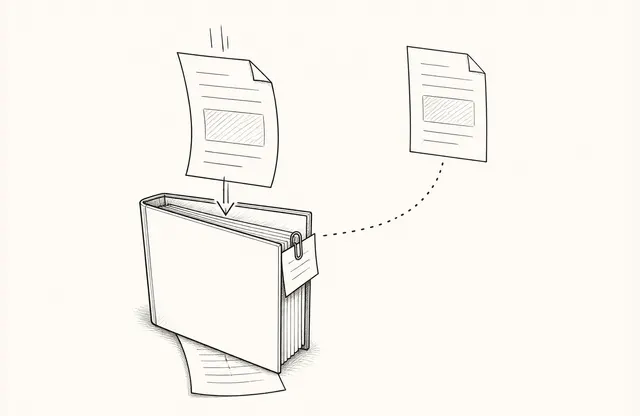
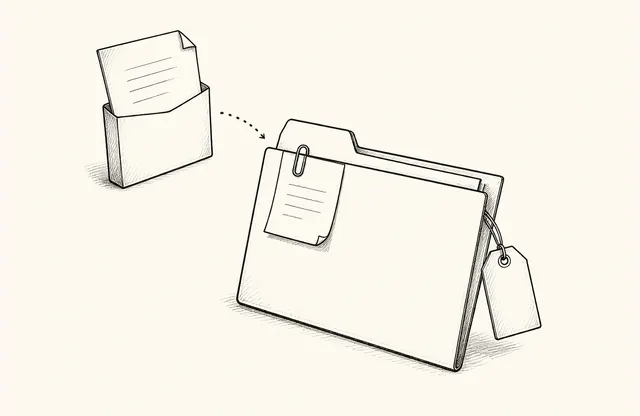
Use one reference link, a visible revision date, and an explicit rule for retiring old files when external partners work from a brand guideline. Version control fails when any one of those elements is missing.
Where does version confusion begin?
A partner may have a file from email, another copy in a shared drive, and a screenshot from an earlier project. Start the guideline with its purpose, revision date, and contact owner. Each page should make one rule easy to find, including on a small screen.
Before sending, check the filename, page order, destinations, and inquiry contact. If the guideline will change, decide which link is authoritative and where superseded files will be marked as retired.
How should the reference link be maintained?
FeatPaper can update the document behind the existing link. The owner should accompany each update with a short notice that identifies the changed rule and its effective date. A stable link is useful only when recipients know that a revision occurred.
Keep an internal revision log with the date, editor, changed sections, and affected partners. This makes it possible to answer which guidance was in effect during a project.
How should viewing activity be used?
No reply or a long visit to one page has more than one possible explanation. Do not treat it as a partner’s acceptance of a rule. Ask a direct question, such as whether a particular usage example needs clarification.
Version-control checklist
- Is one link named as the current reference?
- Are the revision date and owner visible?
- Is there a rule for archiving or retiring old copies?
- Can a partner identify the changed sections quickly?
- Are questions routed to a named contact?
What remains for native review?
An English reviewer should check brand terminology, partner-facing tone, and the wording of update notices. Native review remains pending until a reviewer is assigned and provides evidence.