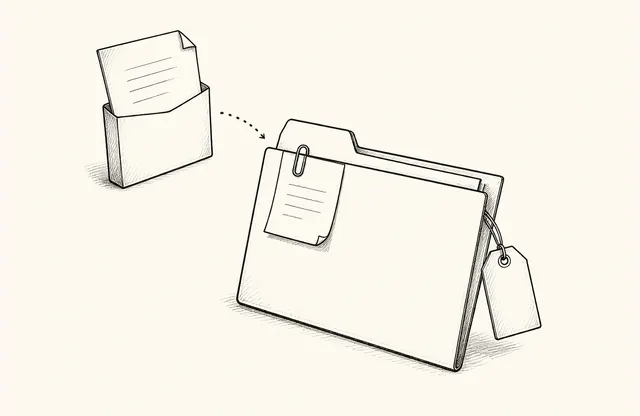
A partner program proposal may look simple when it begins with a table of benefits. Once the work starts, however, more questions appear. Which customers will the organizations serve together? Who owns the conversation after an introduction? Which materials should be used, and who tells partners when those materials change?
A partner proposal is not merely promotional copy meant to win quick agreement. It is an operating document for deciding whether two organizations can work in a shared way. Roles, target customers, support boundaries, reference materials, and review questions should appear before commission figures.

Fix the program’s purpose and scope in one sentence
Replace a broad phrase such as “expand partnerships” with the customer problem the organizations will address and the scope of collaboration. State who introduces a prospect and who handles the product explanation and follow-up conversation. If this sentence shifts, the benefits and support items that follow will create different expectations.
State exclusions too. Clarify whether the program stops at introductions, permits joint proposals, or assigns contracts and customer support to one organization. The proposal should also make clear that it does not replace a contract.
Divide target customers into fit, exception, and out of scope
An industry label is not enough to define a target customer. Partners need criteria they can use in an actual conversation: organization size, responsible role, problem to solve, and conditions that require checking before adoption.
Summarize the target in three lines:
- Fit: a customer whose problem matches the program and its support scope
- Exception review: a customer whose technical, policy, regional, or contract conditions need separate review
- Out of scope: a request that is currently unsupported or should follow another path
Showing both fit and exceptions helps partners avoid overpromising and find the next responsible person more effectively than saying that the program is suitable for everyone.
Divide roles at each handoff point
Rather than putting one duty beside each company name, define roles at the moments when a customer conversation moves from one organization to the other.
- Who confirms the customer’s permission before the introduction?
- What context is passed, and to whom?
- Who prepares the product or service explanation?
- Where do technical or policy questions go?
- Who records the status and next contact after a proposal?
- Who coordinates a customer question or issue?
Assign a primary and supporting owner to each scene. This exposes overlaps and gaps. Describe the contact route and recording responsibility the organizations can actually agree on, without assuming CRM or contract automation.
Put deliverables and response boundaries in the support scope
“Marketing support” or “sales support” does not tell a partner what can be requested or when. Separate available overview materials, product explanations, brand-use rules, training, and inquiry paths. Identify who receives each request and which matters need separate review.
Support is not a mechanism that produces results on a partner’s behalf. Explain which materials and responses the organizations will prepare rather than promising partner revenue, faster contracts, or improved performance.
Connect reference materials to update ownership
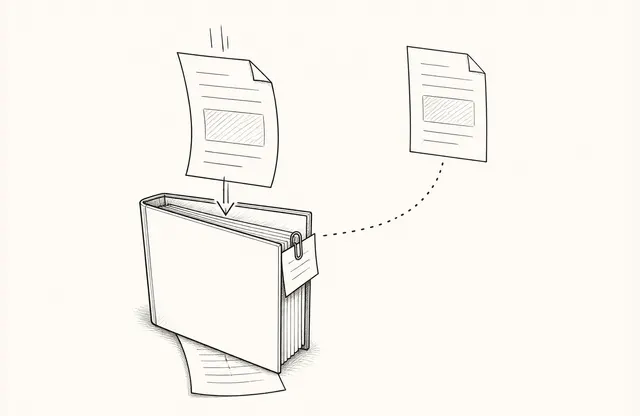
Partner materials change at different rates: overview copy, logos, product descriptions, and policy guidance do not share one revision cycle. Record the owner, last review date, change approver, and method for notifying partners for each asset. Mark the current reference version so stale attachments do not remain across channels.
FeatPaper can update a document to a new PDF version while keeping its existing shared link. Keeping the link and announcing the change are separate tasks. Tell partners what changed and when, and recheck connected elements when page count or layout changes.
End the final page with questions to agree on
Instead of demanding immediate participation, leave the questions that must be answered before operations begin.
- Do both organizations interpret the target customer in the same way?
- Are the handoff point and owner after an introduction clear?
- Which materials and requests are supported or unsupported?
- Who owns each reference asset, and how will changes be announced?
- Who reviews contract and settlement terms through a separate process?
A good partner program proposal does not promise that collaboration will become easy. It shows how two organizations will support the same customer, using which roles and materials, and what remains unresolved. Benefits can then be reviewed in an operating context.