AI conversion can help produce a first draft, but it does not replace the decision to publish. Complex sources can change reading order, relationships in tables, or the strength of a claim during restructuring. Reviewers should confirm semantic fidelity before judging visual polish.
Compare meaning and claim strength
Check whether a possibility became a certainty. Do not allow “can help” to become “guarantees,” or a result under specific conditions to become universal. Start with the title, opening screen, and other highly visible statements.
Recheck figures and table relationships
Compare values, units, decimals, periods, and legends with the source. Confirm that rearranged rows and columns did not attach a value to the wrong subject. On charts, keep axes, baselines, and sources readable on the target screen.
Follow the sequence and open every link
Move from heading to explanation, evidence, and CTA as a reader would. Open source, contact, download, and next-page links to confirm their destinations. Check the latest-version label and revision date as well.
Finish with brand and accessibility
- Are product names and proper nouns consistent?
- Do logo and color treatments follow approved rules?
- Are captions and alternative descriptions present where needed?
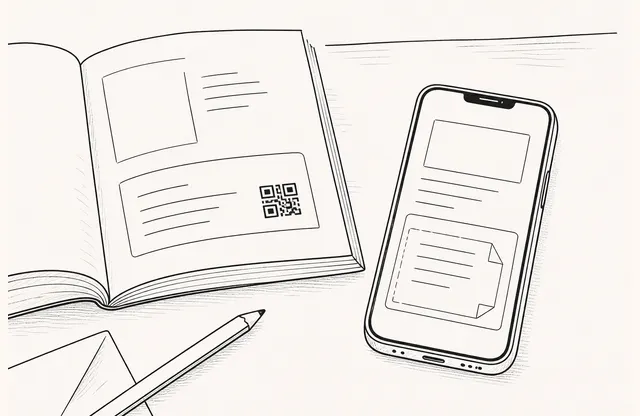
- Do text and CTAs remain intact on mobile?
- Has any internal-only information survived the conversion?
Record the source version and review date, not only the defects found. That record makes the next update reviewable instead of forcing the team to start over.