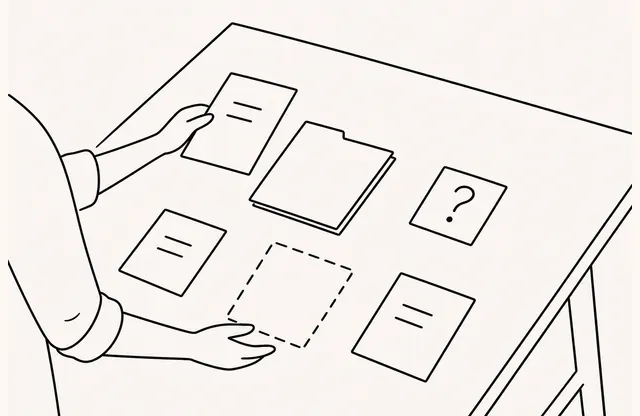
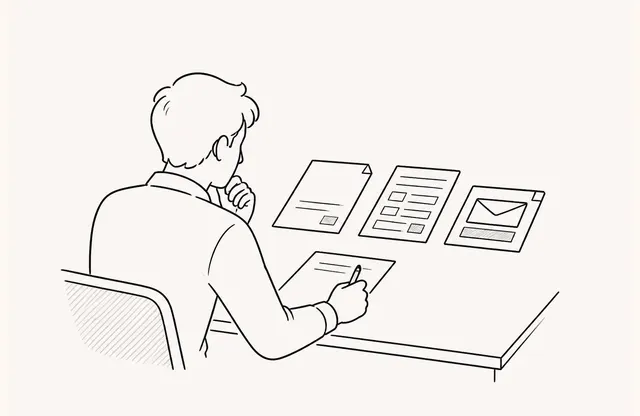
Recipients make a decision in seconds. If an unfamiliar URL appears below “Please review the attached material,” they have to guess four things before clicking: what will open, why they should view it now, how much effort it will take, and what they will be asked to do afterward.
To improve sales email CTR, avoid manufacturing curiosity. Instead, align the email’s promise, the link copy, and the first document screen as one continuous path.
Explain four things before the click
Place this information close to the link:
- What the asset is: a product overview, scope table, or meeting summary
- Why it was sent: an answer to a previous question or material for an initial review
- How much to read: where to start if the full document is long
- What happens next: simple viewing, a reply, or choosing a meeting
“Review three scope items for the manufacturing team” is clearer than “View our company deck.” Check that the essential meaning remains visible on mobile. Specific copy is still misleading if the document does not cover those scope items. A sentence that matches what readers find after the click matters more than one written only to attract it.
Link copy should name the destination and reading order
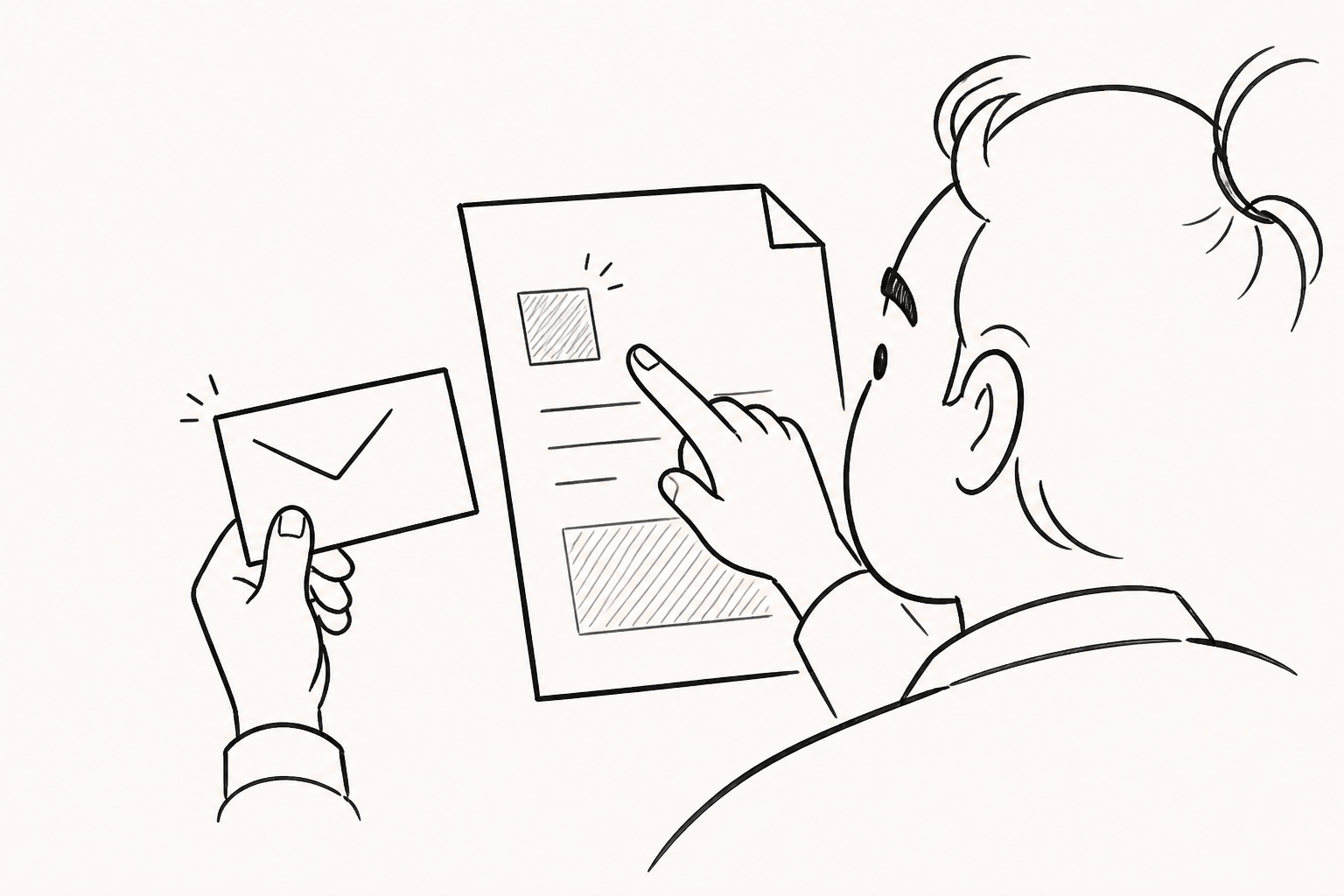
Link copy is not button decoration. It is a compact instruction.
We summarized the implementation scope and role split you asked about in our last meeting. If you cannot review everything, start with the role table on page four.
This tells the recipient why the document was sent and where to begin. Generic labels such as Learn more, See details, or Click here force them to guess the destination again.
For a first contact, prioritize one asset. Several links that each ask for a different action increase decision effort instead of making a click more likely.
Treat the thumbnail as a content label, not an advertisement
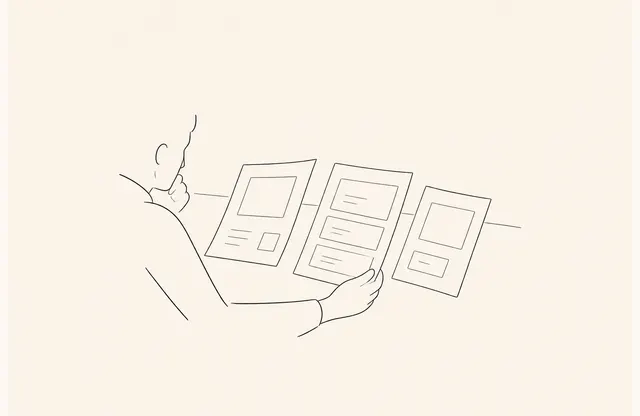
A preview card with a title and thumbnail can help recipients identify what a link contains. The cover should emphasize the document’s purpose and what the recipient needs to learn, rather than leading only with the company name. Keep the asset name in the email consistent with its preview title.
In supported email and messaging environments, a FeatPaper link can display a document title and thumbnail preview. The way previews appear varies by recipient environment, so pair the card with link copy that still makes sense when no preview is shown. A thumbnail alone does not produce a higher click rate.
Continue the email’s promise on the first screen
If an email promises implementation scope but the opened document begins with a long company history, the click is gained while the expectation is broken. Put the document purpose, audience, latest revision date, and suggested starting point on the first screen. Add a short contents list or page direction when useful.
Test the real document on a phone to confirm that the title and essential sentence are visible. Copy changes cannot repair the post-click experience if the content requires constant zooming or the link is slow to open.
Change one variable in each CTR experiment
If you change the subject line, body, link copy, thumbnail, and send time together, you cannot tell which change mattered. Compare one element at a time with a similar recipient group and the same document.
When recording CTR, keep the number of delivered emails, duplicate-click handling, internal-test exclusions, and measurement period alongside the click count. With a small sample, retain the result as a hypothesis for the next test instead of declaring a winner. Generalizing that one phrase multiplies CTR requires repeated evidence collected separately.
Post-click records do not explain the reason
A link opening or a page being revisited can be observed, but those records do not reveal why someone clicked or what they intend to buy. Use FeatPaper viewing records as clues that the document opened and that particular sections were reviewed.
In follow-up, avoid announcing that the recipient was tracked. Ask a question connected to the promise you originally made.
If any part of the scope does not fit your current environment, let me know. I can clarify either the role split or the schedule in more detail.
Sales email CTR does not come from one attention-grabbing thumbnail. It has room to improve when recipients understand the destination before clicking, find the same promise afterward, and can choose the next action without unnecessary effort.