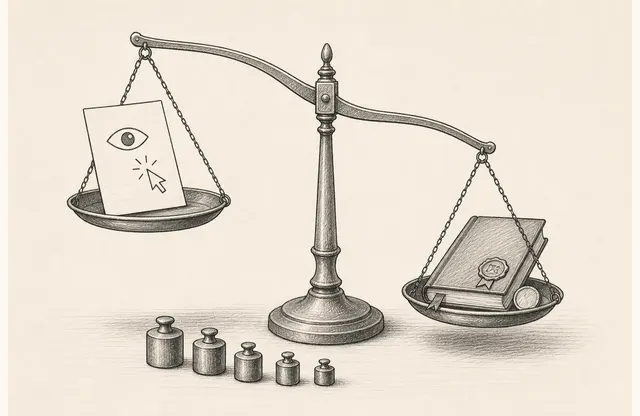
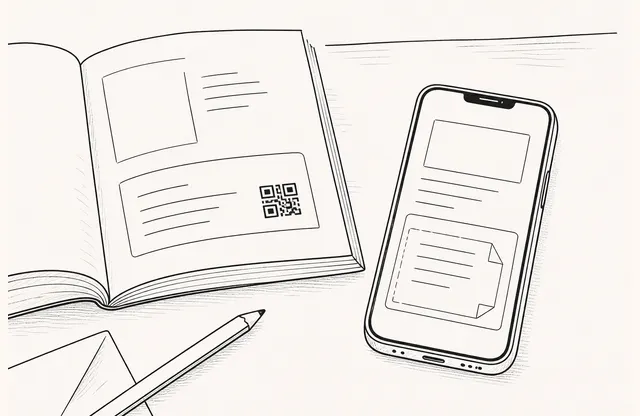
The ability to update a document behind one link does not justify changing it without notice. Readers may assume that what they saw earlier remains unchanged. Teams need rules for deciding when a change requires a record, a notice, or a new link.
Classify changes into three levels
Separate typo or broken-link fixes, ordinary updates to explanation and imagery, and material changes to price, policy, or contractual conditions. A material change can alter a previous decision, so display its date and summary prominently.
Define when the same link remains appropriate
Keep one link when the purpose and audience remain stable and a continuously current version benefits readers. If the nature or promise of the document changes, create a distinct version or link and preserve the earlier record.
Notify recipients at the appropriate level
Notifying every correction creates fatigue, while hiding material changes damages trust. State who is affected, what changed, when it applies, and what action is needed. Do not decide notification solely from viewing records.
Update checklist
- Is the previous source and approval record preserved?
- Are the revision date and change summary visible?
- Were affected recipients told about material conditions?
- Do links, brand elements, and CTAs still work?
- Can the team restore the prior version after an error?
The living-link direction presented by Feat AI Tether is an operating mechanism. It does not automatically resolve change ownership or reader communication, so pair it with team approval rules.